Spring Botany Egg Pattern. Decorative Fl
A Delicate, Seasonal Shape — But Does It Stitch Well?
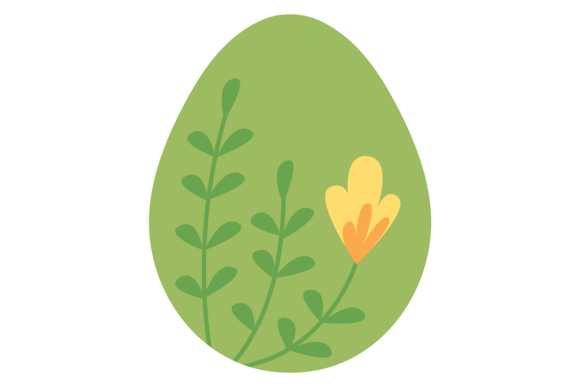
First impression? This isn’t a bold, graphic statement—it’s a quiet, botanical whisper. The Spring Botany Egg Pattern. Decorative Fl feels like something you’d find pressed between the pages of a vintage field guide: soft curves, layered petals, subtle vine tendrils curling just inside the egg outline. It’s not symmetrical in a rigid way—there’s gentle asymmetry in the floral placement that reads as hand-drawn and intentional. That mood matters: it leans into springtime nostalgia, nursery charm, and artisanal gifting—not streetwear or logo-driven branding. I immediately pictured it on a linen tea towel for a local boutique, or stitched onto the chest of a cotton baby onesie as a personalized welcome gift.
Where It Shines (and Where It Needs Extra Care)
In real embroidery use, this design performs best when treated like a *highlight*, not a hero. On a custom embroidered tote bag? Lovely—especially if the bag is natural canvas or unbleached cotton. The egg shape frames the motif cleanly, and the open negative space within the outline gives the stitching room to breathe. Same goes for sweatshirt embroidery: placed above the left pocket on a medium-weight fleece, the design reads clearly without overwhelming the garment’s texture.
But here’s where attention matters: the delicate inner stems and petal edges. On thin fabric like rayon challis or lightweight chambray, those fine lines can blur or pucker without proper stabilizer support. And on stretchy fabric—think baby knit bodysuits or ribbed caps—the design needs careful hooping and possibly a light tear-away + cut-away combo to prevent distortion. I wouldn’t recommend it for curved surfaces like baseball caps unless scaled down to 2.5" max and tested thoroughly first.
Dark fabric also changes its personality. The original transparent PNG suggests light-on-dark potential, but many embroidery machines interpret fine white outlines poorly in dense fill stitch. If stitching on navy denim or charcoal terry, consider simplifying the outer egg line to a satin stitch instead of a thin running stitch—or omit it entirely in favor of a clean fill boundary.
Real-World Fit: From Etsy Listings to Boutique Merchandise
I recently prepped a batch of embroidered kitchen towels for a small shop launch—and pulled up the Spring Botany Egg Pattern. Decorative Fl as a candidate. Why? Because customers browsing handmade goods respond strongly to cohesive, seasonally grounded design language. This pattern doesn’t scream “Easter”—it whispers “spring renewal,” making it usable from March through May, even into early summer. That longevity matters for craft business inventory.
As an embroidery file, it’s versatile across categories: ideal for baby embroidery (bassinets, burp cloths, milestone blankets), holiday embroidery (Mother’s Day, baby showers), and personalized gifts (monogrammed pillow covers with the egg centered below initials). It also works well as a standalone embroidered patch—just add a merrowed edge in your digitizing software before stitching.
That said, it’s not built for high-contrast commercial embroidery jobs. You won’t want it as the main logo on a corporate apron or gym apparel. Its strength lies in softer applications: nursery decor, artisanal food packaging, boutique stationery accents, or printable mockups for digital product sellers testing seasonal collections.
What Your Customers Will Notice (Before They Even Touch It)
- Visual clarity at a glance: The egg shape creates instant recognition—even at small sizes (3–4"). No confusion about subject or season.
- Handmade presentation: Because it avoids clip-art stiffness, it supports the perceived value of your finished product. Customers associate this kind of botanical detail with care and intention.
- Brand consistency: If your shop leans into earthy, slow-made, or garden-inspired aesthetics, this pattern reinforces that voice without needing rebranding.
- Giftability: It reads as thoughtful—not trendy—so it lands well for keepsake items like baby milestone blankets or wedding guest favors.
Practical Designer Notes Before You Stitch
This isn’t a “load-and-go” machine embroidery design. Treat it like a sketch you’re translating into thread:
- Always test on scrap fabric first—especially if using textured weaves like burlap or terry cloth. Those fine vine details love to snag.
- Review stitch density in your embroidery software. If the center fill feels too heavy, reduce density by 5–8% to keep the linen or cotton from puckering.
- Confirm hoop size compatibility. At full scale, it fits comfortably in a 4×4 hoop—but check whether your version includes alternate sizes or only one layout.
- Inspect small details closely: tiny stamens, leaf tips, and curling tendril ends may need manual cleanup in your digitizing program if they’re overly fragile.
- Test black-and-white mockups to see how contrast holds up—this helps predict visibility on both light and dark garments.
- Use appropriate stabilizer: medium-weight cut-away for knits, tear-away for stable wovens, and a light film for sheer fabrics.
- Verify licensing before selling finished items or bundling the design into digital embroidery kits. As a Graphics asset sold as Illustrations, usage rights aren’t implied—always confirm what’s permitted.
Final Thought: A Thoughtful Tool, Not a Trendy Gimmick
The Spring Botany Egg Pattern. Decorative Fl won’t win awards for technical complexity—but it succeeds where so many botanical embroidery files fail: in feeling alive without being fussy. It’s the kind of design that makes a customer pause mid-scroll on Etsy, then click “Add to Cart” because it matches the tone of their own story—a new parent celebrating spring, a café owner refreshing seasonal merch, or a maker building a quiet, consistent brand library.
It asks for attention—not in flashiness, but in thoughtful execution. Respect its delicacy, test it honestly, and it’ll reward you with quiet professionalism, repeat buyers, and products that feel like heirlooms, not fast craft.