Decorative Spider Thread Pattern Graphics
First Impressions and Editorial Mood
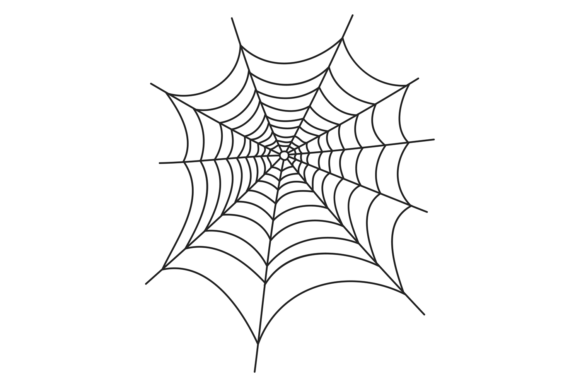
The Decorative Spider Thread Pattern immediately captures attention with its intricate, web-like design. It exudes a sense of mystery and tension, making it ideal for content that needs to evoke curiosity or suspense. The isolated arachnid web on a white background gives it a clean, modern feel that aligns well with editorial design principles. This graphic design asset is particularly effective in creating a mood that supports horror, thriller, or even Halloween-themed content.
Visual Communication and Brand Identity
As an experienced digital publisher, I find the Decorative Spider Thread Pattern versatile for reinforcing brand identity. Its bold yet subtle nature allows it to fit into both playful and professional contexts. Whether used as a website header or a downloadable resource, this pattern can help establish a unique visual language that resonates with your audience. The combination of EPS, JPG, SVG, and transparent PNG formats ensures compatibility across various platforms and mediums.
Publishing Use Cases
- Blog Featured Images: The Decorative Spider Thread Pattern can serve as a striking featured image for articles related to horror, DIY crafts, or seasonal themes.
- Pinterest Pins: Its high contrast and geometric structure make it perfect for social media graphics, especially when paired with text overlays.
- Article Headers: Use it as a background or accent element to create a visually engaging header section for long-form content.
- Website Banners: This pattern can elevate the look of banners promoting special offers, seasonal campaigns, or niche content.
- Newsletter Graphics: Incorporate it as a border or background to give your newsletter a cohesive and professional appearance.
- Lead Magnets: Add a touch of creativity to downloadable resources like worksheets or guides using this pattern.
- Social Media Previews: The Decorative Spider Thread Pattern works well in preview images for Instagram, Facebook, and Twitter posts.
- Canva Templates: It’s a great addition to customizable templates for blog posts, infographics, and promotional materials.
Content Performance and Visual Hierarchy
Using the Decorative Spider Thread Pattern can significantly enhance content performance by creating a stronger first impression. Its eye-catching design helps guide the reader’s attention, improving click-through rates and engagement. By integrating this graphic design asset into your editorial layout, you can achieve better visual hierarchy, which makes your content more scannable and digestible for your audience.
Where It Works Best
- Hero Images: The Decorative Spider Thread Pattern is excellent for hero sections on landing pages or homepage banners.
- Article Thumbnails: It adds a unique flair to thumbnails, helping your content stand out in search results and feeds.
- Pinterest Pins: Its structured design makes it ideal for creating high-quality pins that attract clicks and shares.
- Editorial Accents: Use it as a subtle background or border to add depth without overwhelming the main content.
- Category Visuals: It’s a great choice for category headers or thumbnails, helping users quickly identify content types.
- Downloadable Resources: Incorporate it into printables, guides, and worksheets to give them a polished and creative edge.
Where to Use Carefully
While the Decorative Spider Thread Pattern is highly versatile, it should be used with caution in certain contexts. For instance, it may not be suitable for small mobile thumbnails where detail can get lost. In text-heavy blog images, it could distract from the main content. Similarly, it might not align well with serious professional niches or corporate websites that require a minimalistic approach.
Publisher Notes for Real-World Use
Before implementing the Decorative Spider Thread Pattern, consider the following practical tips:
- Test on Desktop and Mobile: Ensure the pattern looks good on all screen sizes, especially on smaller devices.
- Check Thumbnail Preview: Verify how it appears as a thumbnail in blog listings and social media feeds.
- Preview in Real Blog Layout: Test it within the actual layout of your website to ensure it integrates smoothly.
- Test with Headline Text: Make sure the pattern doesn’t interfere with readability of your headlines and body copy.
- Check Contrast and Readability: Ensure the pattern doesn’t reduce legibility, especially when used over dark backgrounds.
- Try in Black and White: Confirm that the pattern still holds visual interest in monochrome settings.
- Place Beside Different Fonts: Test how it interacts with serif, sans-serif, script, and display fonts.
- Review File Size: Optimize image quality and file size for faster web performance.
- Confirm Commercial Licensing: Always verify that you have the appropriate commercial license before using it on monetized content or paid products.
Conclusion
The Decorative Spider Thread Pattern is a valuable graphic design asset that can elevate your blog visuals, editorial content, and digital marketing efforts. Whether you're creating blog graphics, social media posts, or downloadable resources, this pattern offers a blend of creativity and professionalism that supports your brand identity. With careful implementation, it can become a powerful tool in your content publishing toolkit.