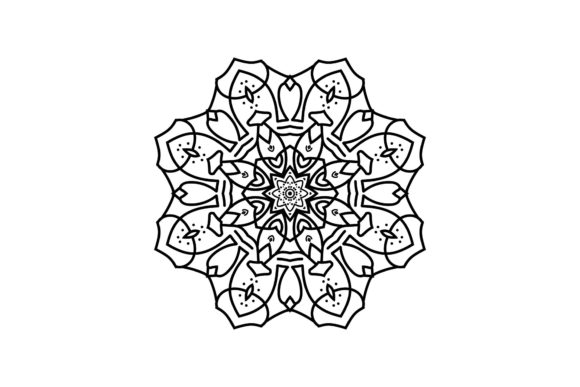
Mandala Decorative and Ornamental Graphics
First Impressions: A Visual Harmony of Balance and Detail
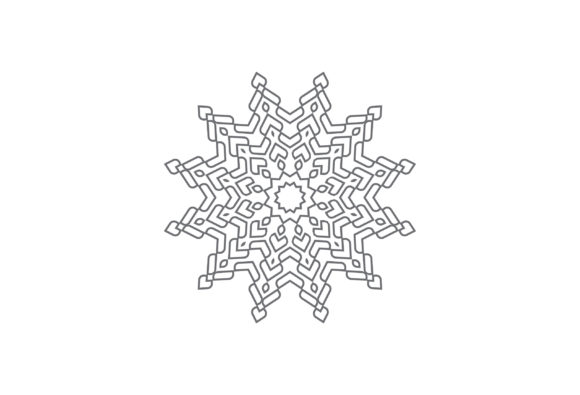
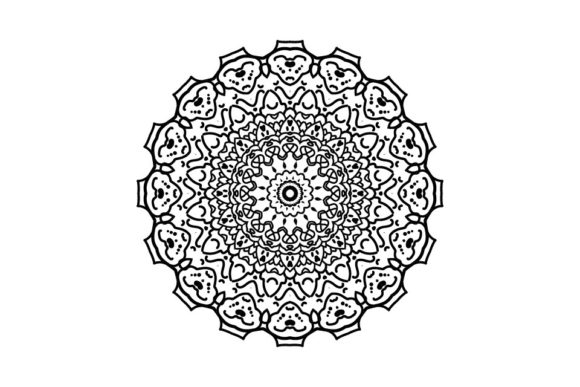
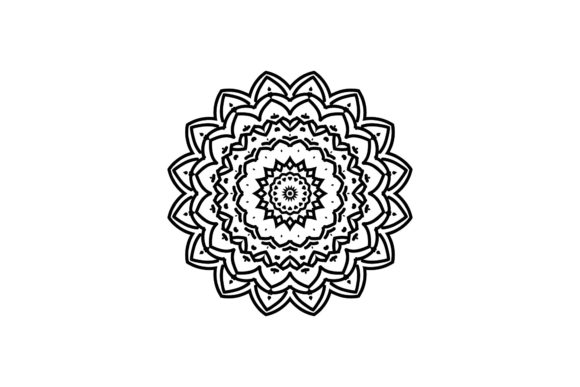
The first time I saw Mandala Decorative and Ornamental, I was struck by its intricate yet calming composition. The design radiates a sense of peace and symmetry, making it immediately appealing for projects that aim to evoke mindfulness or spiritual themes. It’s not just an illustration—it’s a visual language that speaks to both aesthetics and intention. The clean lines and geometric patterns suggest a modern take on traditional mandala art, which is a strong indicator of its versatility in various creative contexts.
Design Context: Where This Asset Fits Best
Mandala Decorative and Ornamental is a graphic design asset that thrives in environments where subtle decoration meets bold visual storytelling. It works exceptionally well in branding for handmade businesses, boutique product lines, and seasonal campaigns. For instance, if I were designing a packaging concept for a line of artisanal candles, this asset could serve as the central motif on the label, adding depth and cultural resonance without overwhelming the overall design.
It also performs admirably in social media graphics, especially for platforms like Instagram and Pinterest. Its high resolution and scalable vector formats make it ideal for creating eye-catching Canva templates or Cricut projects. When placed strategically in a hero image or as a background element, it enhances the mood while maintaining visual clarity.
Practical Application: From Branding to Merchandise
When considering real-world use, Mandala Decorative and Ornamental offers a range of applications. In logo design, it can act as a secondary element to complement a more minimalistic mark. For brand identity, it can be integrated into stationery, business cards, and website headers to create a cohesive look. Its versatility extends to t-shirt design, sticker creation, and even sublimation prints, making it a valuable asset for small business owners and Etsy sellers.
For packaging design, the asset can be used as a decorative accent on boxes, labels, or tags. Its intricate details add a touch of sophistication, especially when paired with muted color palettes. In editorial design, it can serve as a visual anchor in magazine layouts or blog posts, helping to guide the reader's eye and reinforce thematic content.
Where to Use with Care
While Mandala Decorative and Ornamental is a powerful design tool, it’s important to consider its limitations. At smaller sizes, the fine details may become lost, making it unsuitable for logos or text-heavy layouts. In crowded compositions, it can compete with other elements, so it should be used sparingly in complex backgrounds or corporate materials.
Additionally, its ornate nature may clash with minimalist branding or professional corporate designs. If the client’s brand relies on clean lines and simplicity, this asset might not align with their vision. It’s crucial to assess whether the design supports the intended message or risks overshadowing it.
Technical Considerations for Professional Use
Before using Mandala Decorative and Ornamental for a client project, I recommend a few practical checks. First, test it in black and white to ensure it maintains visual interest without color. Next, preview it on both light and dark backgrounds to confirm its adaptability across different contexts.
Review the file formats—AI, SVG, PNG, JPG, and EPS—to ensure they meet the project’s requirements. The transparent PNG is particularly useful for layering over other graphics, while the SVG format allows for easy editing in vector programs. Always inspect the PNG transparency to avoid unwanted white borders or background artifacts.
Finally, confirm the commercial license before using it in any paid project. This ensures that the asset is legally usable and protects both the designer and the client from potential issues down the line.
Emotional and Functional Impact
Mandala Decorative and Ornamental has a unique ability to influence audience engagement through its emotional appeal. The symmetrical patterns and harmonious balance can create a sense of calm and trust, which is especially valuable in marketing visuals and branding. It helps build a connection between the brand and its audience, reinforcing the message of mindfulness or creativity.
From a functional standpoint, the asset contributes to visual hierarchy and brand consistency. When used thoughtfully, it can enhance readability and guide the viewer’s attention without disrupting the overall flow of the design. It’s a great way to add character and personality to otherwise plain layouts.
Final Thoughts: A Versatile Graphic Design Asset
In summary, Mandala Decorative and Ornamental is a well-rounded graphic design asset that offers both aesthetic value and practical utility. Whether you’re working on a small business branding project, a seasonal campaign, or a digital ad, this asset can elevate your work with its elegant design and wide-ranging applications.
As a designer, I find it invaluable to have such a versatile resource in my toolkit. With the right approach, it can support a variety of creative directions, from handmade businesses to print-on-demand products. Just remember to evaluate its fit within the specific context of each project and always prioritize quality and licensing considerations.