Decorative Language Leaf Illustration Graphics
A First Impression of Organic Elegance
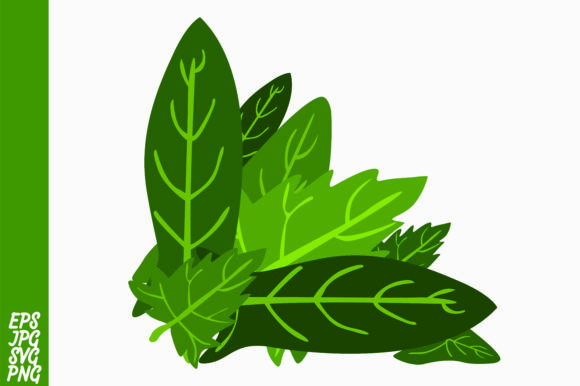
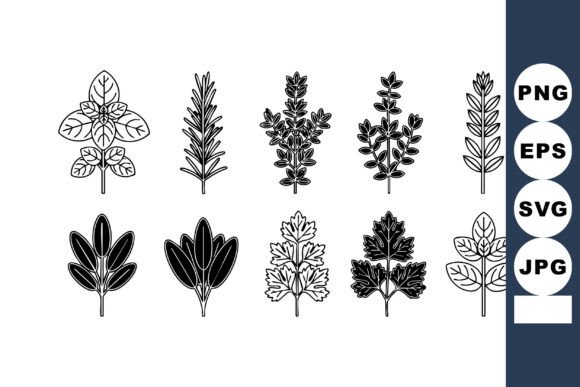
The Decorative Language Leaf Illustration immediately strikes a balance between intricate detail and clean visual flow. Its organic shapes and flowing lines suggest a natural, handcrafted aesthetic that feels both modern and timeless. The illustration carries a subtle elegance that can easily blend into a variety of design contexts without overpowering the overall composition. It's the kind of graphic that feels like it could have been drawn by a skilled artisan, yet it’s perfectly suited for digital use.
Fitting Into Brand Identity and Marketing Visuals
As a designer working on a small handmade brand’s rebranding project, I found the Decorative Language Leaf Illustration to be a strong candidate for supporting the visual language of the brand. Whether used in logo design, packaging, or social media graphics, this asset adds a layer of sophistication and warmth that aligns well with boutique products or seasonal campaigns. It works especially well when paired with earthy tones, soft gradients, or minimalist layouts.
Where This Design Asset Shines
The Decorative Language Leaf Illustration excels in large layout areas such as hero graphics, product mockups, and editorial spreads. It has a presence that makes it ideal for decorative accents, themed collections, and campaign visuals. When placed on a background with enough contrast, it becomes a focal point that enhances the visual mood without overwhelming the viewer. It also performs well in printable designs, including wall art, stickers, and t-shirt graphics.
For digital projects, the SVG and PNG formats make it easy to integrate into Canva templates, Cricut projects, and web design elements. The high-resolution canvas size ensures clarity at any scale, which is crucial for print-on-demand and Etsy product listings. As a graphic design asset, it offers versatility across multiple platforms and mediums.
When to Use With Caution
However, there are scenarios where the Decorative Language Leaf Illustration might not be the best fit. In crowded layouts or complex backgrounds, its intricate details can become distracting. On low-contrast designs or minimalist branding, it may feel out of place. For professional corporate materials or very clean visual hierarchies, it's better to use simpler, more geometric assets.
Additionally, while the illustration looks great in full color, it should be tested in black and white to ensure it maintains readability and visual interest. Previewing it at small sizes, such as on a mobile screen or a sticker, is essential to confirm its legibility and impact.
Design Considerations for Commercial Use
Before using the Decorative Language Leaf Illustration for a client project, I always check several key factors. First, I review the file formats—AI, EPS, SVG, JPG, PNG, and DXF—to ensure they meet the project’s technical requirements. The inclusion of PNG transparency is a plus for sticker design and layered compositions.
I also test how the illustration interacts with different font styles. When paired with serif fonts, it adds a classic, refined touch, while pairing it with sans-serif or script fonts can create a more playful, artistic vibe. Checking the illustration against display fonts helps determine if it complements the overall design hierarchy.
Finally, confirming the commercial license is critical. If the asset is intended for use in marketing visuals, brand identity, or print-on-demand products, ensuring proper licensing rights is non-negotiable. This step protects both the designer and the client from potential legal issues.
Visual Trust and Emotional Appeal
The Decorative Language Leaf Illustration contributes significantly to the emotional appeal of a design project. Its natural, flowing forms evoke feelings of growth, harmony, and creativity, making it an excellent choice for brands that emphasize sustainability, craftsmanship, or handmade aesthetics. It also supports brand consistency by providing a cohesive visual element that can be repeated across various touchpoints.
In terms of visual trust, the illustration’s clean lines and structured composition help maintain a sense of professionalism. It’s particularly effective in editorial design, web design, and packaging design, where a polished look is essential. The ability to scale and adapt the illustration means it can be used in both high-end and casual settings, depending on the context.
Conclusion: A Versatile Creative Asset
Overall, the Decorative Language Leaf Illustration is a versatile graphic design asset that fits well into a range of creative projects. From small business branding to seasonal campaigns, it offers a unique combination of detail and simplicity that can elevate the visual quality of any design. By testing its performance in different contexts and ensuring proper usage, designers can confidently incorporate this illustration into their workflow.