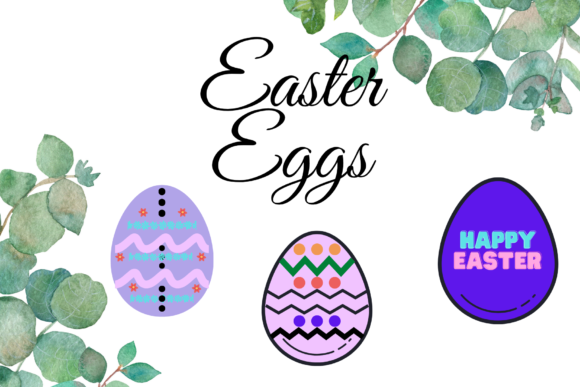
Decorative Easter Eggs
A Designer’s First Impression
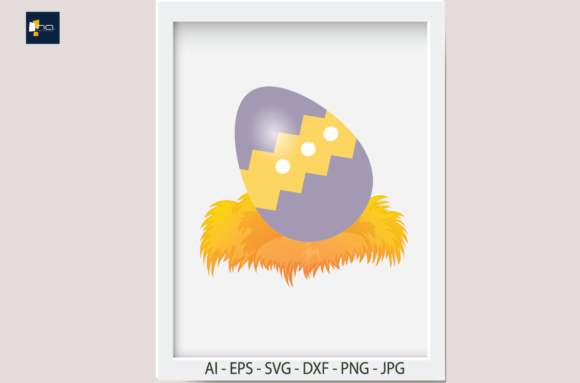
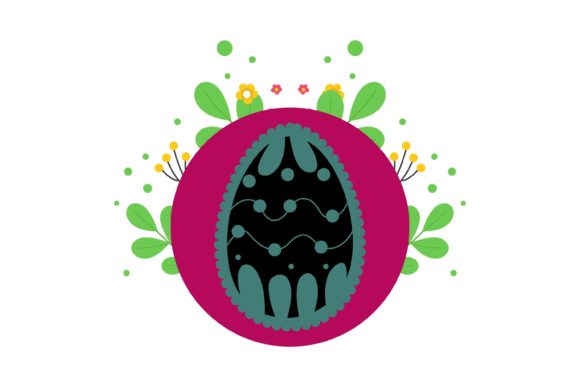
The first time I saw Decorative Easter Eggs, I was immediately drawn to its playful and whimsical vibe. The design is rich in detail, with a soft, pastel palette that feels both festive and approachable. It’s the kind of graphic that would make a perfect addition to a handmade Easter basket or a custom embroidered gift. The layout is clean, with a central egg surrounded by smaller decorative elements, creating a sense of balance and harmony. This makes it ideal for projects where visual appeal and subtle storytelling are key.
Real-World Use Case: Custom Embroidered Tote Bag
I recently had an order for a custom embroidered tote bag for a local boutique. The client wanted something that felt handcrafted yet modern. Decorative Easter Eggs fit perfectly into this vision. When I tested it on scrap fabric, the design held up well, and the stitch density was appropriate for a large hoop size. The pastel colors worked beautifully against the neutral fabric, and the intricate details didn’t overwhelm the overall look.
One thing to note is that the design works best on light-colored fabrics. On darker backgrounds, some of the finer details can get lost. That said, the design still maintains enough contrast to be visually engaging. For a project like this, it’s worth testing the design on different fabric types before finalizing the embroidery.
Stitching Clarity and Visual Appeal
Decorative Easter Eggs is a great example of how a well-designed embroidery file can elevate a simple product. The use of satin stitch and fill stitch creates a smooth, polished look that’s ideal for both personal and commercial use. However, the design does have some areas with dense stitching, which could be tricky on thin or stretchy fabrics. In those cases, using the right stabilizer is crucial to maintain the integrity of the design during stitching.
Another important factor is thread color contrast. While the design comes with a few default thread options, I recommend experimenting with different hues to see how they interact with the fabric. A black and white mockup can also help identify any potential issues with clarity or legibility before committing to the final print.
Where to Use Decorative Easter Eggs Carefully
While Decorative Easter Eggs is versatile, there are a few scenarios where it might require extra attention. For instance, using it on small hoop sizes can result in a loss of detail, especially around the edges and corners. Similarly, textured or dark fabrics may not showcase the design as effectively. If you’re planning to use it on a curved surface like a cap or hat, consider adjusting the design slightly to ensure it fits the contours without distortion.
For products that need frequent washing, such as baby clothes or kitchen towels, it’s essential to test the design thoroughly. The durability of the embroidery will depend heavily on the quality of the file and the materials used. Always check the stitch density and ensure that the design is suitable for repeated use.
Design Assets for Small Business and Etsy Sellers
As an Etsy seller, I know the importance of high-quality design assets. Decorative Easter Eggs offers a good range of file formats, making it easy to adapt for different projects. Whether you’re creating a digital embroidery file for a printable mockup or designing a custom patch, the versatility of this design is a plus. However, always confirm licensing terms before selling finished items or digital products, especially if you plan to use it for commercial embroidery.
For craft businesses, this design can be a valuable addition to your product line. It’s perfect for holiday gifts, personalized items, and even boutique branding. Just be sure to review the design in different contexts—whether it’s for a baby item, a sweatshirt, or a pillow cover—to ensure it meets your brand’s aesthetic and functional requirements.
Practical Design Notes for Embroidery Professionals
If you’re working with Decorative Easter Eggs, here are a few practical tips to keep in mind:
- Test on scrap fabric first to assess stitch clarity and fabric compatibility.
- Check thread color contrast and experiment with different hues for optimal results.
- Review stitch density to ensure it’s appropriate for the intended fabric and hoop size.
- Confirm hoop size and adjust the design if necessary for small or large projects.
- Inspect small details like lettering and corners, especially if the design will be used on delicate or stretchy fabric.
- Use proper stabilizer to prevent puckering and maintain design integrity.
- Test in black and white mockups to identify any potential visibility issues.
- Compare light and dark fabric backgrounds to ensure the design looks good in all contexts.
- Ensure the design works for both personal and commercial use to maximize its value.
- Confirm licensing terms before selling finished items or digital products.
Final Thoughts on Decorative Easter Eggs
Decorative Easter Eggs is a thoughtful and well-executed design that has the potential to enhance a wide range of embroidery projects. Its playful aesthetic and attention to detail make it a great choice for handmade products, personalized gifts, and commercial designs. With the right preparation and testing, it can become a valuable asset in your creative toolkit.
As a designer, I always encourage experimentation and careful evaluation before committing to a design for a real project. Decorative Easter Eggs is no exception. By considering factors like fabric type, stitch density, and thread color, you can ensure that your finished product looks as good as it feels—and that it meets the expectations of your customers.