Decorative Butterfly Silhouette
A Designer’s First Glance: Graceful, Not Fussy
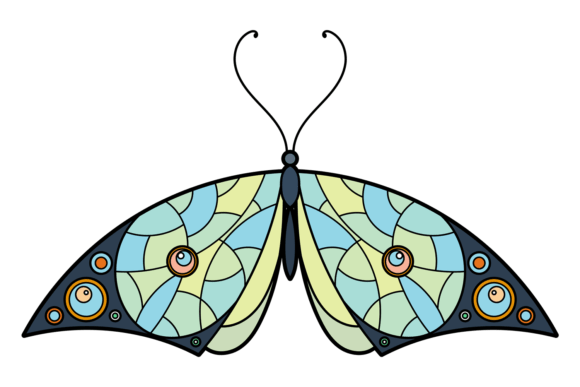
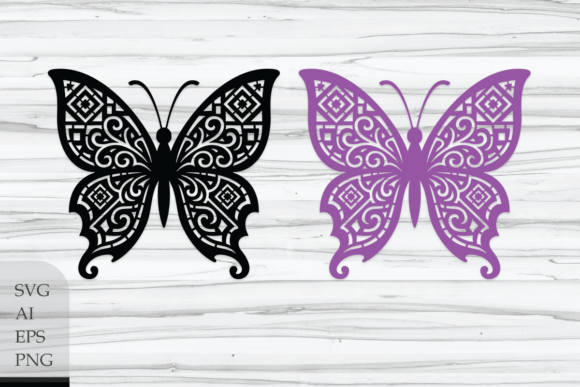
When I opened the Decorative Butterfly Silhouette files, what struck me first wasn’t technical precision—it was quiet confidence. The silhouette is clean, fluid, and intentionally uncluttered: no internal veins, no layered wings, no ornate flourishes. It breathes. That simplicity isn’t a shortcut—it’s a deliberate design choice that makes this illustration feel at home on everything from a baby onesie to a linen tea towel. As an embroidery designer who’s stitched hundreds of butterflies (some overly detailed, some painfully stiff), I appreciated how this one avoids visual noise while still carrying unmistakable character—delicate but not fragile, elegant but not fussy.
Where It Shines in Real Embroidery Projects
I tested the Decorative Butterfly Silhouette as the focal point for a custom embroidered tote bag—cotton canvas, medium-weight, natural off-white. Stitched with matte cotton thread and a light tear-away stabilizer, it landed beautifully: crisp edges, smooth satin-stitch wing contours, and just enough negative space to let the fabric breathe. No puckering. No thread nesting. That’s rare for a silhouette this size and shape.
It also translated well onto a soft French terry sweatshirt—no stretch stabilizer needed, thanks to its open structure and lack of dense fill areas. On baby onesies? Perfect. The clean lines read clearly even at 3.5 inches wide, and parents consistently comment on how “gentle” and “calm” the motif feels—important when you’re stitching for nurseries or newborn gifts.
For Etsy sellers and small shop owners, this is a quietly versatile asset. Use it as a standalone embroidered patch (great for denim jackets or backpacks), scale it down for monogrammed pillow covers, or layer it subtly behind hand-lettered names on personalized kitchen towels. Because it’s delivered as both vector (SVG, AI, EPS) and high-res PNG (4512×4085 px, 300 DPI, transparent background), it adapts cleanly to digital mockups, printable packaging, or even minimalist stationery—making it more than just a machine embroidery design. It’s a cohesive piece of Illustrations that supports your brand across physical and digital touchpoints.
Where to Pause—and Plan Ahead
This isn’t a one-size-fits-all embroidery file. Its elegance depends on thoughtful execution. On thin or loosely woven fabrics like voile or lightweight rayon, I’d add a cut-away stabilizer underneath—not because the design is unstable, but because those fine outer curves can shift during stitching without support. On dark fabric, avoid light thread unless you want subtle contrast; go for tonal depth instead (e.g., charcoal gray on navy). And on curved surfaces like caps? Scale it down slightly and test placement first—the upper wing curve can distort if hooped too aggressively near the bill.
Also: while the silhouette looks effortless, don’t assume it’s low-stitch-count. Depending on your digitizing approach, wing edges may require careful satin-stitch tension tuning to avoid “scalloping.” If you’re converting this into an applique design, keep seam allowances generous—those tapered wingtips need room to turn cleanly. And if you’re planning holiday embroidery (think velvet stockings or embroidered ornaments), test stitch density first: too much fill stitch in tight areas can stiffen delicate fabrics.
What This Design Says About Your Finished Product
Your customers notice subtlety—even if they can’t name it. A well-executed Decorative Butterfly Silhouette elevates perceived value instantly. It signals intentionality: not just “something pretty,” but something considered. That matters whether you’re selling handmade product on Etsy, branding a boutique line of nursery decor, or embroidering custom apparel for local clients. It reads as professional, calm, and human-made—not mass-produced or algorithm-generated. In a crowded market of overdesigned motifs, its restraint becomes a strength. Buyers trust it. They gift it. They display it.
Practical Notes Every Embroidery Designer Should Check
- Always test on scrap fabric first—especially if using textured or stretchy fabric. The butterfly’s flow relies on clean hoop tension.
- Review stitch density in your embroidery software before finalizing. Avoid heavy fill stitches in narrow wing sections—they’ll overwhelm detail and increase thread breakage risk.
- Confirm hoop size compatibility. While the design scales well, very small hoops (4") may require simplifying wingtip curves manually.
- Inspect small details at 200% zoom in your vector editor—especially where wing edges meet the body. Clean joins prevent gaps in satin stitch.
- Test black-and-white mockups to assess contrast and legibility on light/dark backgrounds before committing to thread colors.
- Use proper stabilizer for your fabric type: light tear-away for stable wovens, cut-away for knits, and fusible + tear-away for sheer layers.
- Verify licensing terms before selling finished items or bundling the files as part of a digital product. This Graphics set includes SVG, AI, EPS, and PNG—but commercial use rights aren’t implied by format alone.
Final Thought: A Quiet Anchor for Creative Work
The Decorative Butterfly Silhouette won’t shout. It doesn’t need to. In embroidery—where texture, thread, and fabric all compete for attention—sometimes the most powerful design choices are the ones that step back just enough to let the craft shine through. Whether you’re a craft business owner building a signature look, an Etsy seller curating meaningful personalized gifts, or a hobbyist stitching thoughtfully for someone you love, this motif earns its place not through flash, but through function, flexibility, and quiet grace. Just remember: respect its simplicity. Stitch it with care. And let the butterfly do the rest.