Abstract Decorative Trees Graphics for Modern Editorial Design
A First Impression That Speaks Volumes
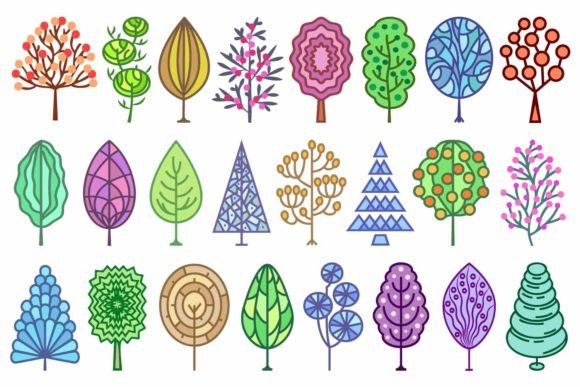
The moment you open the Abstract Decorative Trees graphic design asset, it’s clear this is more than just a collection of images. It’s a visual mood setter, designed to evoke creativity and natural beauty. The vector set of colorful trees offers a blend of artistic freedom and editorial precision, making it ideal for bloggers, digital publishers, and content creators looking to elevate their visual storytelling.
With its abstract nature, these trees feel both playful and professional. They lean toward a modern, decorative aesthetic that fits well with lifestyle, educational, and creative niches. Whether you're crafting a digital guide or designing a newsletter banner, the Abstract Decorative Trees bring a fresh, artistic touch that can enhance reader engagement without overwhelming the content.
Where Can Abstract Decorative Trees Be Used?
The versatility of Abstract Decorative Trees makes it a valuable addition to any designer’s toolkit. Here are some real-world publishing scenarios where this graphic design asset shines:
- Blog Featured Images: Use as a striking hero image to draw readers in and set the tone for your article.
- Pinterest Pins: These colorful illustrations are perfect for social media graphics, especially for lifestyle and creative content.
- Article Headers: Add a unique visual element to your website headers and page titles.
- Website Banners: Ideal for homepage banners or category visuals that need to stand out.
- Newsletter Graphics: Create eye-catching headers or background elements for email newsletters.
- Lead Magnets: Incorporate into downloadable resources like worksheets or digital guides.
- Social Media Posts: Perfect for Instagram stories, Facebook posts, or Twitter visuals.
- Canva Templates: Easily integrate into pre-designed templates for quick content creation.
Each use case benefits from the clean, modern design of Abstract Decorative Trees, which supports a wide range of content types while maintaining a cohesive visual identity.
How Does It Improve Content Performance?
Using Abstract Decorative Trees can significantly boost your content's performance by enhancing the overall user experience. Here’s how:
- Stronger First Impression: A visually appealing header or featured image can increase click-through rates and reader retention.
- Clearer Visual Hierarchy: These graphics help organize content on web pages, guiding the reader’s eye through the layout effectively.
- Better Click-Through Potential: High-quality visuals like these can make your blog posts and social media content more shareable and engaging.
- More Consistent Branding: With its consistent style and color palette, Abstract Decorative Trees helps reinforce your brand identity across all platforms.
- Improved Reader Trust: Polished visuals contribute to a more professional appearance, increasing credibility and trust in your content.
- Better Category Recognition: These graphics can help define content categories, making navigation easier for your audience.
- Stronger Visual Identity: They add a unique flair to your editorial design, helping your content stand out in a crowded digital space.
- More Professional-Looking Content Pages: Whether it's a blog post or an eBook cover, these graphics elevate the overall look and feel of your content.
Best Practices for Using Abstract Decorative Trees
To maximize the impact of Abstract Decorative Trees, consider using them in the following areas:
- Hero Images: These are perfect for landing pages, product pages, or blog posts that require a strong visual anchor.
- Article Thumbnails: Use them as thumbnails for blog posts to catch the eye of readers scrolling through search results.
- Pinterest Pins: Their vibrant colors and abstract forms make them ideal for Pinterest marketing and content curation.
- Blog Graphics: Enhance your blog posts with subtle accents or background elements that complement your text.
- Editorial Accents: Use them as background patterns or decorative elements within your content layouts.
- Content Upgrades: Include them in downloadable resources like PDFs, printables, or digital guides.
- Category Visuals: Help organize your website or blog by creating distinct visual identities for different content sections.
- Newsletter Headers: Make your email newsletters more engaging with a visually appealing header.
- Social Media Previews: Ensure your social media posts and previews are visually compelling and aligned with your brand.
When to Use Abstract Decorative Trees Carefully
While Abstract Decorative Trees is a versatile graphic design asset, it’s important to use it thoughtfully in certain contexts:
- Small Mobile Thumbnails: Avoid overusing it in tiny spaces where it may lose detail and clarity.
- Text-Heavy Blog Images: Balance it with typography to ensure readability and visual harmony.
- Low-Contrast Backgrounds: Ensure the design asset stands out against the background to maintain visual impact.
- BUSY Layouts: Use it sparingly to avoid clutter and maintain a clean, organized look.
- Serious Professional Niches: Consider whether the playful nature of the design aligns with the tone of your content.
- Corporate Content: Opt for more minimalistic designs if your brand leans toward professionalism.
- Websites with Minimal Visual Systems: Ensure the design asset complements rather than disrupts your existing visual language.
Publisher Notes for Success
To ensure optimal performance and compliance, follow these practical tips when using Abstract Decorative Trees:
- Test on Desktop and Mobile Screens: Ensure the design looks great on all devices, especially mobile.
- Check Thumbnail Appearance: Preview how the asset looks as a thumbnail in search results and social media feeds.
- Preview in Real Blog Layouts: See how it integrates with your actual content structure and design system.
- Test with Headline Text: Ensure the design doesn’t interfere with readability or legibility of your headlines.
- Check Contrast and Readability: Make sure the design asset works well with different font styles and text colors.
- Try It in Black and White: Confirm that it still holds visual interest without color.
- Place It Beside Different Fonts: Test its compatibility with serif, sans-serif, script, and display fonts.
- Review File Size for Web Performance: Optimize images to ensure fast loading times and good user experience.
- Compress Images Properly: Maintain quality while reducing file size for faster web performance.
- Confirm Commercial Licensing: Always verify that you have the right to use the design asset on monetized websites, affiliate pages, or paid content products.
By integrating Abstract Decorative Trees into your editorial workflow, you’re not just adding graphics—you’re enhancing your brand identity, improving user experience, and boosting content performance across all platforms. Whether you're building a blog, launching a digital product, or growing your small business branding, these design assets are a powerful tool for visual communication and content marketing success.